Full Focus Counseling
Scott Thode, LPC

Make Friendship Great Again
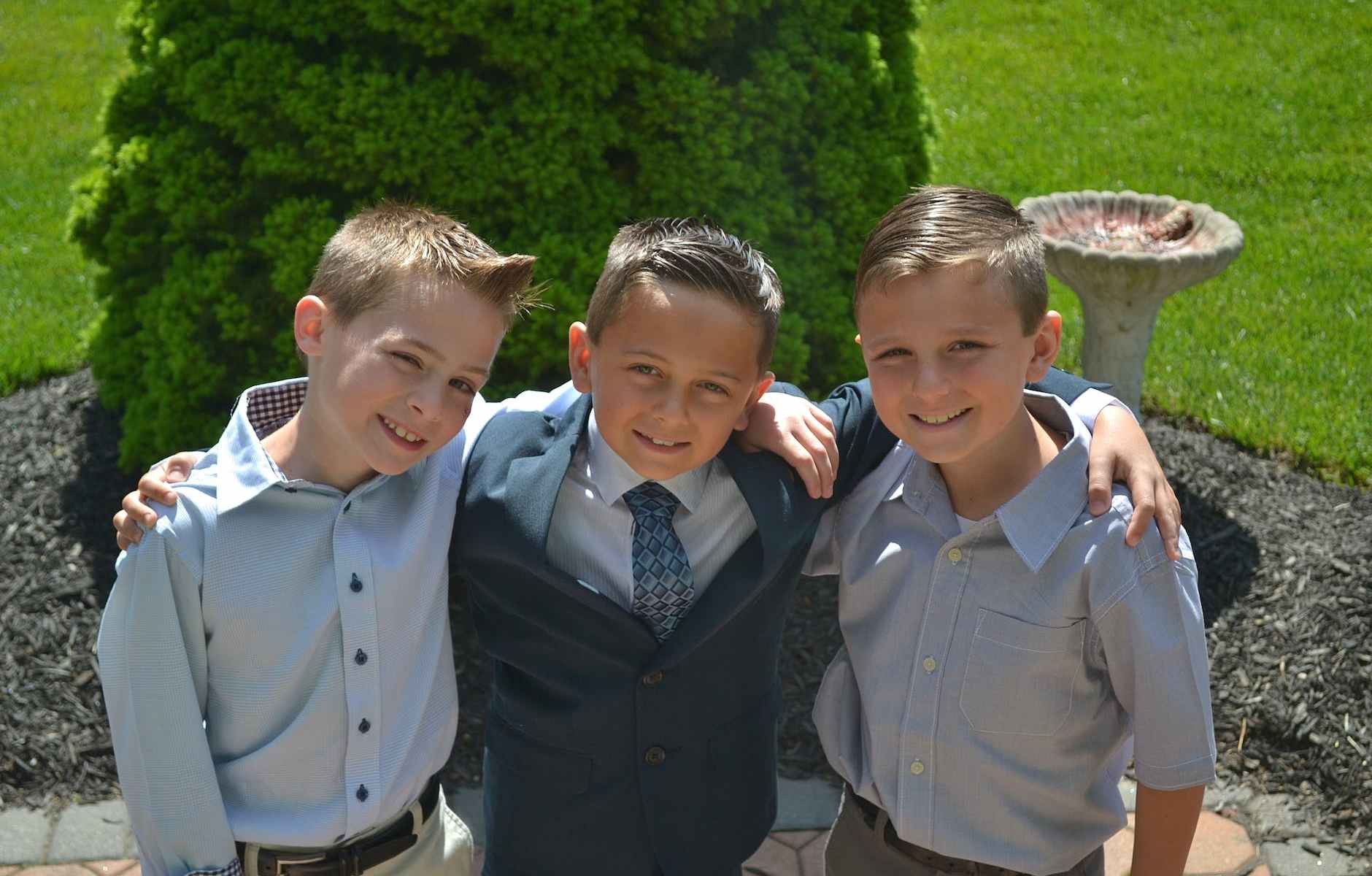
The institution of friendship is on the brink. People are lonelier than ever before. We have forgotten how to make friends. There is a deep resistance people feel when even considering the topic of making new friends or reestablishing old ones. Awkwardness is feared. Anxiety is feared. Sounding smart or cool or smooth are just additional roadblocks to becoming more socially engaged. We have set ourselves up for failure.
I have worked with numerous clients in my counseling practice who are waiting for friends to show up at their door step, text them, call them, plan something, invite them to the next happy hour, etc. It doesn’t work that way. This is in large part due to the fact that other people are in the same boat. They too are socially paralyzed.
There was a recent book written by Robert Waldinger and Marc Schulz, who are the leading researchers of the longest study ever conducted on human happiness. What is the bottom line? Relationships. People who have quality relationships are healthier and live longer. Not being socially connected is a killer.
Friendships are a big piece of the mental health puzzle, but we must pay a price.
Nothing is free, including friends. Except the currency isn’t money; it’s actually discomfort. Discomfort is the payment for any form of psychological growth. Laurie Santos, another prominent psychological researcher, refers to this concept as “start-up cost.” Seeing the feelings of anxiety or awkwardness as the price you pay for social connection is an excellent way to reframe phase one of the social process.
Phase one is just phase one though. There are many more phases to a budding friendship, but you can’t skip phase one. If a baseball player got a triple but decided to skip first base, you’d think, “well, that’s not how it works.” The process of friendship is similar. It starts by making social contact, then working your way through the various phases of social interaction so that trust and connection can be established.
Here’s a theory.
I think the feeling of social awkwardness was evolutionarily advantageous. It does a couple of things. One, it turns attention inward so that we don’t make a reputational mistake that leads to rejection. Throughout human history, even temporary social isolation could mean death. Two, it makes us a little suspicious. Trust isn’t something we should give out to everyone. Awkwardness prevents us from putting all our social chips in the middle of the table. You know how it goes: know when to hold em, know when to fold em, know when to walk away, know when to run.
So, awkwardness is inevitable. It’s something we must confront and work through. There’s no way around it. However, we can learn to view it in the broader context of building connections. We can learn to relate to it properly. We can learn to move past it.
I want to make a final point about becoming what I call a social initiator. Our world needs more of them. Who are they? These are the people that bring people together. They organize the coffee meetups, the barbeques, and the get-togethers for the holidays. They send out invites to the group text. They don’t fear being told no or I’m busy. These people are courageous, and they are needed to facilitate opportunities for friendship and promote a sense of community.
You can become a social initiator if you want to. Do it for yourself. Do it because you need social connection, just like you need food and water. Other people will benefit too. Will you be told no? Sometimes. Will that hurt? A little bit. Will you feel awkward? More than likely. That’s okay. Stick with it. The price is worth it.
 Full Focus Counseling